Upholstery cleaning Camden Town NW1 affordable options
If your sofa has seen one too many rainy boots, coffee spills, or a long winter of takeaway nights, you already know the problem: it does not just look tired, it starts to feel tired too. Upholstery cleaning Camden Town NW1 affordable options is really about finding a sensible way to refresh fabrics without paying more than you need to. In a busy part of London like NW1, that balance matters. You want clean seating, decent value, and a service that will not make a fuss of the job.
Truth be told, affordable does not have to mean basic or rushed. With the right approach, you can remove odours, lift dirt, improve the look of your furniture, and still keep the bill under control. This guide walks through how upholstery cleaning works, what actually affects price, where people overspend, and how to choose a practical option that makes sense for your home or rental.
One quick note before we dive in: a cheap clean that damages delicate fabric is not a bargain. The aim is value, not just the lowest number on a quote.
Why Upholstery cleaning Camden Town NW1 affordable options Matters
Camden homes, flats, studios, and shared places tend to work hard. A sofa in a front room near the high street picks up daily use, dust, food crumbs, pet hair, and the occasional mystery mark from a rushed morning. Fabric chairs in dining areas can build up greasy residue surprisingly fast. Even if a piece looks "fine", it may hold odours and dirt deep in the fibres.
Affordable upholstery cleaning matters because replacing furniture is expensive, and living with stained seating can quietly drag down the whole room. A good clean can extend the usable life of what you already own. That is especially useful if you are renting, furnishing a first flat, or simply trying to make a small budget work a bit harder.
There is also a comfort angle. Clean upholstery often feels softer, smells fresher, and makes a room look more cared for. That small lift can be a lot more noticeable than people expect. And let's face it, when a sofa stops holding the smell of last Friday's chips, the room just feels better.
If you want a broader home-cleaning schedule around upholstery care, it can help to look at deep cleaning as part of the bigger picture, or coordinate with domestic cleaning if the whole property needs a reset.
How Upholstery cleaning Camden Town NW1 affordable options Works
Most professional upholstery cleaning starts with an inspection. The cleaner checks the fabric type, the age of the item, the level of soiling, and whether there are any delicate areas, such as piping, decorative stitching, or feather-filled cushions. That matters because the wrong method can leave marks, shrinkage, or a lingering damp patch. Not ideal.
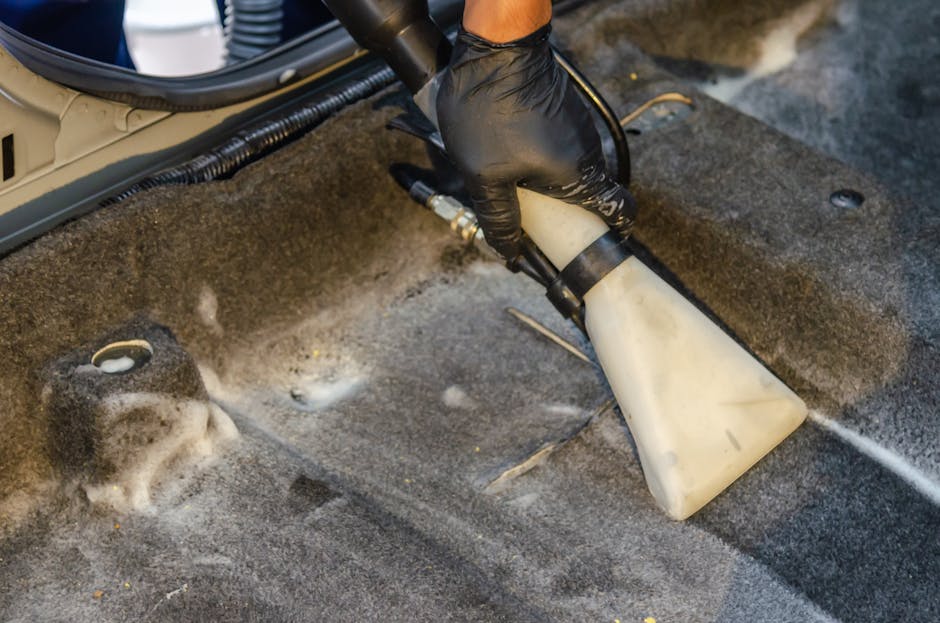
The next step is usually pre-treatment. This means applying a suitable solution to loosen grime, spot marks, and body oils. After that, the cleaner may agitate the fabric gently using a brush or pad so the product can work into the fibres. Depending on the material, they may use hot water extraction, low-moisture cleaning, dry compound methods, or carefully controlled foam-based treatment.
Hot water extraction is common for many synthetic fabrics and heavily used sofas. It uses water and cleaning solution to flush out dirt, then extracts the moisture. Low-moisture methods are better for more delicate pieces or for situations where drying time needs to be shorter. Dry cleaning style methods are sometimes chosen for sensitive fabrics, though they are not suitable for everything.
Drying is the last part, and it is often underestimated. Good airflow, open windows, and sensible temperature control help. In a Camden flat on a damp day, drying can take longer than people hope. No one enjoys sitting on a sofa that still feels slightly clammy, so proper moisture management is part of the job, not a side note.
If you need upholstery care alongside fabric-heavy furniture such as curtains or soft furnishings, it may be worth comparing with sofa cleaning and the wider upholstery cleaning service to understand what is included.
Key Benefits and Practical Advantages
When people search for affordable options, they are usually after one of two things: a better price, or better value for the money they spend. Ideally both. Upholstery cleaning can deliver several practical wins without turning into a big project.
- Freshens the room quickly: clean upholstery changes the feel of a space in a way that is hard to ignore.
- Supports a healthier home environment: regular cleaning can reduce built-up dust, crumbs, and trapped debris.
- Helps furniture last longer: dirt acts like abrasion, so removing it can slow wear.
- Improves first impressions: handy if you are hosting, selling, or preparing for inventory checks.
- Can be more economical than replacement: especially for well-made sofas and chairs.
- May reduce odours: useful for smoke, food, pet, or general stale smells.
There is another benefit that people sometimes miss: cleaning can reveal what your furniture actually needs. A cushion that looks permanently marked may just need the right treatment. On the other hand, a fabric that has reached the end of its useful life can be identified early, which prevents wasted spend. That is practical, not glamorous, but very helpful.
For properties that are being refreshed room by room, upholstery care can sit neatly alongside carpet cleaning or even a one-off whole-home tidy through one-off cleaning.
Who This Is For and When It Makes Sense
Affordable upholstery cleaning in Camden Town NW1 makes sense for a fairly wide range of people. The details differ, but the reasons are often the same: make the furniture look decent again, protect the fabric, and keep spending sensible.
You may benefit if you are:
- a renter preparing for a move-out or new tenancy
- a homeowner who wants to improve the look of a lived-in room
- a parent dealing with snack spills, sticky hands, and the odd pen mark
- a pet owner who is tired of hair and lingering odours
- a landlord wanting a presentable property between occupants
- a small office or studio needing cleaner seating for staff or visitors
It also makes sense after events. A family gathering, a long period of working from the sofa, or a busy patch where cleaning slipped down the list can leave fabric looking flat and worn. You do not always need an emergency response. Sometimes you just need a practical reset.
If your home or office needs additional services around the same time, it can be efficient to pair upholstery work with office cleaning for workspaces or house cleaning for domestic properties. That can save time, travel, and a bit of coordination headache too.
Step-by-Step Guidance
If you want the best affordable result, the process begins before the cleaner arrives. A few simple choices can make a surprising difference.
- Identify the item and fabric type. Check labels if you can. A cotton blend, microfibre, velvet, and leather all need different handling.
- List the problem areas. Mark the worst stains, odours, or high-traffic zones so nothing gets missed.
- Ask what method will be used. A good provider should explain whether they plan to use extraction, low-moisture, foam, or another method.
- Clear the space. Move small items, blankets, and loose cushions if requested. It keeps the appointment efficient.
- Test sensitive fabrics. Spot testing is the sensible move, especially for older upholstery or unusual colours.
- Prepare for drying. Open a window if weather allows, improve airflow, and avoid sitting on the item too soon.
- Review the finish. Once dry, check edges, seams, and shaded areas in daylight rather than under yellow indoor lighting.
Simple, really. But skipping one of those steps is how people end up disappointed. A rushed clean often looks okay while still wet, then not quite right later. That is the awkward part.
If you are comparing providers, the published pricing and quotes information can help you understand what should be clear before any work is booked. You should know what is included, what counts as extra, and how the final amount is calculated.
Expert Tips for Better Results
Here is the part where experience saves money. The cheapest quote is rarely the best value if it ignores the real condition of the furniture. A thoughtful approach tends to be more economical over time.
- Be honest about stains. If a mark has been there for months, say so. It helps set the right expectation.
- Ask about fabric safety. Delicate fibres may need a gentler method, even if that takes longer.
- Book before heavy soiling builds up. Regular maintenance usually costs less than rescue work.
- Combine similar jobs. If you need other soft furnishings cleaned, asking about a bundle can be more efficient.
- Watch for over-wetting. Excess moisture can lead to slow drying and, in some cases, odour issues.
- Use airflow after the clean. A fan or open window can help, though a draughty winter room can be a bit miserable, so use judgement.
One small but useful tip: if you have a pale sofa and young kids, ask for a treatment plan for the arms and seat cushions first. That is where the real wear happens. The back cushion can wait. The armrests, not so much.
For households that want a wider refresh, pairing upholstery care with rug cleaning can make a room feel newly balanced without replacing anything.
Common Mistakes to Avoid
People often try to save money in ways that end up costing more later. It happens. Upholstery is unforgiving when the wrong product or method is used.
- Using random household cleaners: bleach, harsh sprays, and strong detergents can leave rings or fade the fabric.
- Scrubbing stains hard: this can push the mark deeper and roughen the fibres.
- Ignoring fabric labels: some materials need specialist handling, full stop.
- Choosing price only: cheap quotes can hide limited equipment, poor prep, or no aftercare.
- Forgetting drying time: sitting on damp upholstery can flatten fibres and re-soil the area.
- Assuming all stains are removable: some are permanent or partially permanent, especially after heat exposure.
A common one in Camden flats is trying to sort everything in a single evening, with windows half open and the heating on full. It sounds efficient. In practice, it can leave the room stuffy and the fabric taking ages to dry. Not ideal. A slower, cleaner finish is usually smarter.
Tools, Resources and Recommendations
You do not need a van full of gear to make a good decision, but knowing the basic tools helps you ask better questions.
Common professional tools include:
- fabric-safe pre-sprays and spot treatments
- extraction equipment for deep cleaning
- microfibre cloths and controlled agitation brushes
- moisture management tools for drying
- protective pads and corner tools for tight spaces
Useful things to ask before booking:
- What type of upholstery have you cleaned before?
- How do you treat delicate fabrics?
- How long will drying usually take?
- Is stain protection included or optional?
- What happens if a mark does not fully come out?
If you are comparing a broader cleaning setup, the company's general service pages can help you understand capability and standards. For example, cleaning company information can give a sense of how services are organised, while cleaners and cleaner pages may help explain the level of support available.
And yes, if you are the sort of person who keeps a mental note of every stain, you are not alone. A lot of people do that. It is strangely satisfying to see each one disappear.
Law, Compliance, Standards, or Best Practice
For upholstery cleaning, the main thing is not a long list of legal jargon. It is sensible, safe practice. In the UK, reputable cleaners should handle chemicals and equipment in a way that reduces risk to people, pets, and property. Good practice usually includes appropriate product use, careful ventilation, and clear communication about fabric suitability.
If the work is being carried out in a home, rental property, or workplace, basic safety and insurance matter. A provider should be able to explain how they manage accidental damage, wet surfaces, and access issues. That is especially relevant in shared Camden buildings where stairs, narrow hallways, and busy entrances can complicate things. No drama needed, just planning.
You may also want to look for policies covering privacy, payment security, and complaint handling, because those are signs of a business that takes its responsibilities seriously. For example, the site's insurance and safety, payment and security, and terms and conditions pages are useful places to check the basics before you book.
Best practice also means being clear about limitations. A trustworthy cleaner will say when a stain may not fully lift, when a fabric is too fragile for a wet method, or when a piece needs a different approach. That honesty is worth more than a glossy promise.
Options, Methods, or Comparison Table
Not every upholstery job needs the same treatment. The right method depends on fabric, soil level, drying needs, and budget. Here is a straightforward comparison to help you think it through.
| Method | Best for | Typical strengths | Watch-outs |
|---|---|---|---|
| Hot water extraction | Synthetic fabrics, general deep cleaning, heavier soiling | Thorough soil removal, strong refresh, good for busy family furniture | Longer drying time, not suitable for all materials |
| Low-moisture cleaning | Flats, delicate schedules, quicker turnaround | Faster drying, gentler on some fabrics | May need more careful pre-treatment on stubborn marks |
| Dry compound or dry-style methods | Very sensitive fabrics or moisture-sensitive situations | Minimal wetting, practical for some delicate items | Not always best for heavy embedded dirt |
| Spot treatment only | Small, isolated marks | Budget-friendly for limited issues | Does not refresh the whole item |
If you are aiming for affordable options, the key is not automatically choosing the cheapest method. It is choosing the least expensive method that still does the job properly. Those are not always the same thing, annoying as that may be.
For rooms with multiple surfaces that need attention, some homeowners also pair upholstery work with hard floor cleaning or window cleaning so the whole room feels finished rather than half-done.
Case Study or Real-World Example
Here is a realistic Camden-style example. A small flat near NW1 had a two-seater sofa with light food staining, general dullness, and a faint smell from everyday use. The owner had been putting off replacement because the frame was still solid, and the fabric itself was not torn. Fair enough. No point buying a new sofa if the old one can be rescued.
The cleaner inspected the fabric, did a spot test, and chose a low-moisture treatment because the sofa sat in a compact room with limited airflow. Stains on the seat cushions were pre-treated first, then the main fabric was cleaned in sections. The owner was asked to keep the room ventilated and avoid using the sofa until fully dry.
By the next day, the sofa looked brighter, smelled fresher, and felt more comfortable to sit on. The arms were still slightly darker than the rest, which is common on older seating, but the overall effect was a clear improvement. The owner later said the room felt "less cramped" even though nothing had moved. That is often what happens, oddly enough. Clean upholstery changes the atmosphere of the whole space.
The key takeaway from that example is simple: affordable does not mean cutting corners. It means matching the method to the furniture and avoiding unnecessary extras.
Practical Checklist
Use this quick checklist before you book upholstery cleaning in Camden Town NW1.
- Identify the furniture type and fabric if possible
- Note stains, smells, and high-use areas
- Ask which cleaning method is recommended
- Check what is included in the quote
- Confirm drying expectations
- Ask about protection for delicate or antique items
- Find out whether cushions are included or priced separately
- Clear the area around the furniture
- Improve ventilation for after the clean
- Review the finished work once fully dry
Quick expert summary: the best affordable upholstery cleaning is usually the one that gives you the right result for your fabric, with no guesswork, no unnecessary add-ons, and no risky shortcuts. That is the sweet spot.
Conclusion
Finding Upholstery cleaning Camden Town NW1 affordable options is mostly about judgement. Not every sofa needs a heavy deep clean, and not every low quote is a bargain. The better choice is the one that respects your fabric, explains the method clearly, and keeps the finish practical for everyday life.
If you remember only one thing, make it this: ask about fabric type, method, drying time, and what is actually included. Those four details usually tell you whether a quote is genuinely affordable or just looks cheap at first glance.
Get a free quote today and see how much you can save.
And if your furniture has been bothering you for weeks, that little before-and-after moment when the room finally feels fresh again can be oddly satisfying. A small win, but a real one.
Frequently Asked Questions
How much does upholstery cleaning in Camden Town NW1 usually cost?
Prices vary based on fabric type, item size, stain level, and the cleaning method needed. The safest approach is to ask for a clear quote that explains what is included rather than judging by headline price alone.
What is the cheapest way to clean a sofa properly?
For minor, isolated marks, targeted spot treatment may be enough. But if the whole sofa is dull, smelly, or heavily used, a full upholstery clean is usually better value than trying to patch it up piece by piece.
Can all fabrics be cleaned the same way?
No. Cotton blends, synthetics, velvet, wool mixes, and delicate antique fabrics may need very different treatment. A good cleaner should inspect the fabric first and choose a method that fits the material.
How long does upholstery take to dry?
Drying time depends on the method used, ventilation, and the thickness of the fabric. Low-moisture cleaning usually dries faster than extraction, but the room conditions matter a lot too.
Is upholstery cleaning worth it for an older sofa?
Often, yes. If the frame is sound and the fabric is still in decent condition, cleaning can extend the life of the item and delay replacement. If the fabric is badly worn or damaged, cleaning may only improve appearance slightly.
Will upholstery cleaning remove every stain?
Not always. Some marks are permanent, set by heat, dye transfer, or long-term damage. A reputable cleaner should be honest about what can and cannot be improved.
Should I clean upholstery before or after other home cleaning?
Usually after general tidying and before final room styling. If you are planning broader cleaning, it can make sense to coordinate upholstery with one-off cleaning or domestic cleaning so the whole space is handled efficiently.
Do I need to vacuum the sofa before the cleaner arrives?
If you can, yes. Removing loose dust, crumbs, and pet hair helps the cleaner spend more time on deep treatment rather than basic debris removal.
Is stain protection worth paying for?
It can be, especially for family homes, light-coloured fabrics, or furniture that sees daily use. The value depends on how likely the item is to get dirty again and how long you plan to keep it.
What should I check before booking a cleaner?
Check the fabric knowledge, method offered, drying guidance, what the quote includes, and whether they have clear policies on payment, safety, and complaints. Those details help you avoid surprises later.
Can upholstery cleaning help with odours as well as stains?
Yes, often it can. Cleaning removes trapped dirt and residue that contribute to smells. Pet odours, food smells, and general stale odours usually improve, though severe damage may need more specialised treatment.
What if I have a sofa and carpets that both need attention?
That is a common situation. It can be sensible to arrange upholstery cleaning alongside carpet cleaning so the whole room gets a consistent finish and you do not end up cleaning one surface twice by accident.