Floor Cleaning Fundamentals
Floor cleaning is an essential aspect of maintaining a healthy and comfortable home or workspace. Clean floors not only enhance the aesthetic appeal of your home but also prolong the lifespan of the flooring material. This article will dive into the fundamentals of floor cleaning, offering tips, techniques, and insights into the pros and cons of various methods.
Types of Flooring and Cleaning Methods
Hardwood Floors
Hardwood floors are elegant and timeless, but they require specific care to maintain their luster.
- Sweeping and Dusting: Regular sweeping and dusting prevent scratches and maintain shine.
- Damp Mopping: Use a slightly damp mop with a wood floor cleaner for deeper cleaning.
- Avoid Water: Excess water can damage wood floors by causing swelling and warping.
Tile Floors
Tile floors are durable and easy to clean, making them a popular choice for kitchens and bathrooms.
- Sweeping: Regular sweeping prevents dirt and grit from scratching the surface.
- Mopping: Use a pH-neutral cleaner with warm water for a thorough clean.
- Grout Cleaning: Periodically scrub grout lines with a brush and a baking soda solution.
Carpeted Floors
Carpets add warmth but can trap dust, allergens, and stains.
- Vacuuming: Regular vacuuming removes dirt and prevents mats.
- Spot Cleaning: Address spills immediately with a carpet cleaner or DIY solution.
- Deep Cleaning: Periodic steam cleaning helps eliminate deep-seated dirt and allergens.
Essential Tools and Supplies
Investing in the right tools and supplies will make floor cleaning more efficient and effective.
- Brooms and Dustpans: Essential for daily sweeping of dust and debris.
- Mops: Choose from traditional mops, spray mops, and steam mops based on your floor type.
- Vacuum Cleaners: An essential tool for carpeted floors and hard-to-reach areas.
- Cleaning Solutions: Select the appropriate cleaner for your flooring type to avoid damage.
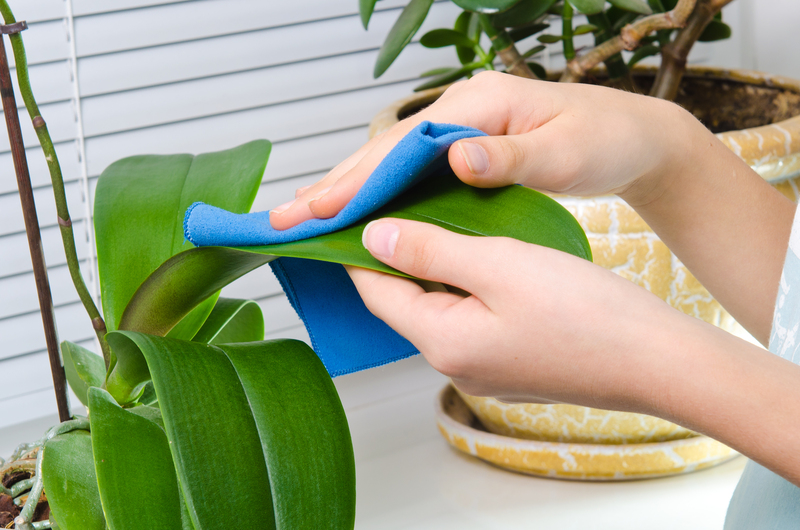
- Microfiber Cloths: Ideal for dusting and wiping without scratching surfaces.
Tips for Efficient Floor Cleaning
- Clean Spills Immediately: Prevent stains and damage by addressing spills as soon as they occur.
- Use Doormats: Placing doormats at entryways reduces the amount of dirt brought indoors.
- Regular Maintenance: Regular sweeping, vacuuming, and mopping keep floors in good condition.
- Protect Flooring: Use furniture pads to prevent scratches and abrasions.
Pros and Cons of Different Flooring and Cleaning Methods
Hardwood Floors
- Pros: Timeless beauty, adds value to home, easy to clean spills.
- Cons: Sensitive to water, scratches easily, requires regular maintenance.
Tile Floors
- Pros: Durable, water-resistant, easy to clean.
- Cons: Grout lines can become dirty, harder surface to stand on for long periods.
Carpeted Floors
- Pros: Soft and warm, reduces noise, comfortable underfoot.
- Cons: Traps dust and allergens, stains easily, requires regular deep cleaning.
Takeaways
- Different flooring types require specific cleaning methods.
- Investing in the right tools makes floor cleaning more efficient.
- Regular maintenance, such as sweeping and mopping, is crucial.
- Immediate spill cleaning can prevent long-term damage.
Conclusion
Maintaining clean floors is essential for a healthy and aesthetically pleasing living space. By understanding the specific needs of various flooring types and using the right tools and techniques, you can ensure that your floors remain in excellent condition for years to come. Regular cleaning and prompt attention to spills and stains will keep your floors looking their best.