Canary Wharf upholstery cleaning case study and results
If you are weighing up Canary Wharf upholstery cleaning case study and results, you probably want more than a vague promise that a sofa will "look better". Fair enough. You want to know what was cleaned, what changed, how long it took, and whether the finish was actually worth it in a busy London setting where furniture gets daily use, coffee spills, and the odd mystery mark. This article walks through a realistic case study-style example, the cleaning process behind it, and the kind of results you can sensibly expect from professional upholstery care in Canary Wharf.
We'll look at why this matters for homes and offices, how the work is usually approached, where the best gains come from, and which mistakes can quietly ruin the outcome. You'll also find a practical checklist, a comparison table, and a set of search-style FAQs. If you are comparing upholstery cleaning options with related services such as sofa cleaning or even broader deep cleaning, this should help you make a more informed call.
Table of Contents
- Why Canary Wharf upholstery cleaning case study and results matters
- How Canary Wharf upholstery cleaning case study and results works
- Key benefits and practical advantages
- Who this is for and when it makes sense
- Step-by-step guidance
- Expert tips for better results
- Common mistakes to avoid
- Tools, resources and recommendations
- Law, compliance, standards, or best practice
- Options, methods, or comparison table
- Case study or real-world example
- Practical checklist
- Conclusion
- Frequently asked questions
Why Canary Wharf upholstery cleaning case study and results Matters
Canary Wharf is a place where presentation tends to matter. That is not a grand statement, just a practical one. Whether the setting is a modern apartment, a managed rental, a shared office lounge, or a client-facing breakout area, furniture is part of the impression people get in the first few seconds. A clean sofa or chair can make a room feel brighter, calmer, and better maintained almost immediately.
A case study approach matters because upholstery cleaning is one of those services people often judge too quickly. A seat may look "fine" from across the room, but once cleaned properly, hidden dust, skin oils, drink residue, and general wear become more obvious. Sometimes the real story is not just about stains; it is about freshness, texture, smell, and how the fabric responds after drying. That is where real results live. Not in a dramatic before-and-after gimmick, but in the small details you notice when you sit down again.
For Canary Wharf properties in particular, the stakes are slightly higher. Busy foot traffic, regular visitors, and compact living spaces can make furniture look tired faster than expected. If you're managing a workspace, you may also be balancing appearance with hygiene and minimal disruption. That is why people often look for a cleaning company that can handle upholstery as part of a wider maintenance plan, rather than treating it like a one-off panic job.
There is also a trust element. Reading about real process and results helps separate professional cleaning from optimistic marketing. You do not need perfection. You need a method that is safe for the fabric, practical for the setting, and honest about what can and cannot be removed. Truth be told, that honesty is often what gives a service its credibility.
How Canary Wharf upholstery cleaning case study and results Works
Professional upholstery cleaning usually starts with inspection. That sounds simple, but it is the point where the technician checks fabric type, colour fastness, visible staining, wear areas, and any labels or care guidance. A cotton blend behaves differently from a synthetic fabric, and velvet is not treated in the same way as a hard-wearing office chair. If you rush this stage, you can create more problems than you solve. A bit dramatic? Maybe. Also true.
In a typical Canary Wharf job, the cleaning process might include dry soil removal, pre-treatment of marks, agitation of fibres, targeted stain work, and extraction or controlled moisture cleaning. The exact method depends on the material and the condition of the item. A heavily soiled sofa in a rental apartment may need a different approach from a lightly marked reception chair in an office suite.
The results depend on several things:
- the fabric type and construction
- how long the marks have been there
- the cleaning method selected
- ventilation and drying conditions
- previous DIY attempts, sprays, or harsh detergents
That last one matters more than people realise. A lot of disappointing upholstery outcomes start with a well-meaning household product used six months earlier. The fabric then resists cleaning unevenly, or the stain has already been set deeper into the pile. Not ideal, but very common.
In practice, a good clean should leave the item looking fresher, feeling softer, and smelling cleaner, with any residue removed as far as the fabric safely allows. The point is not to "scrub it into submission". The point is controlled, fabric-aware cleaning that improves the piece without damaging it.
For properties that need a wider refresh, upholstery work is often paired with carpet cleaning or even a broader one-off cleaning visit. That can be sensible if the room needs to feel properly reset, not just patched up.
Key Benefits and Practical Advantages
The most obvious benefit is visual improvement. A cleaner sofa or chair can transform a room faster than almost any other soft furnishing task. But the practical gains go well beyond appearances.
- Improved freshness: Fabrics often trap everyday odours from food, drink, smoke, and general use.
- Better presentation: Helpful in client-facing offices, managed buildings, and high-spec homes.
- Longer fabric life: Removing abrasive dirt helps reduce premature wear.
- More comfortable use: Seats can feel softer and look less flattened after a proper clean.
- Better first impressions: In Canary Wharf, that matters more than people sometimes admit.
There is also a practical timing benefit. Upholstery cleaning can often be completed with relatively little disruption compared with replacing furniture or reupholstering it. For offices, that can mean less downtime and less hassle. For homes, it can mean keeping a favourite sofa a bit longer instead of replacing it because of a few unsightly marks.
Another advantage is predictability. A proper cleaning process gives you a clearer idea of what is fixable, what is improvable, and what is permanent damage. That helps people make better decisions. Sometimes the best result is not "brand new", but "good enough to keep". That is a real win too.
Who This Is For and When It Makes Sense
This kind of service makes sense for a fairly wide range of people, though the reasons differ.
- Homeowners and tenants: Ideal for sofas, dining chairs, footstools, and occasional chairs that have picked up everyday grime.
- Landlords and letting agents: Useful between tenancies, especially when furniture must look presentable quickly.
- Office managers: Relevant for meeting rooms, reception seating, breakout areas, and shared workspaces.
- Facility teams: Helpful where cleaning schedules need to support appearance and hygiene without major disruption.
- Anyone preparing for visitors or handover: A sensible step before inspections, events, or a property sale.
It makes the most sense when the fabric is structurally sound but visibly tired. If the cushions are sagging, the frame is damaged, or the cover is torn, cleaning alone will not do the trick. That is where expectations need to stay grounded. A cleaner cannot perform miracles, and honestly, that is fine.
Sometimes a room needs a broader reset rather than a single-service fix. In those cases, people often combine upholstery work with domestic cleaning or office cleaning. A joined-up approach tends to give a more convincing result, especially in a place as polished as Canary Wharf.
Step-by-Step Guidance
If you want to understand what good upholstery cleaning looks like, follow the process rather than just the promise.
- Inspect the fabric and problem areas. Check material, seam condition, colour stability, and stain type before any moisture is used.
- Remove loose dirt first. Dry soil needs to come out before wet cleaning, otherwise it can turn into mud in the fibres.
- Pre-treat the affected spots. Stains from tea, coffee, food, body oils, and everyday traffic may need different products or dwell times.
- Clean with the right method. Low-moisture or extraction methods are common, but the best choice depends on the item.
- Rinse or extract properly. Residue left behind can attract dirt again and make the item resoil faster.
- Groom the fabric where suitable. This helps the pile sit more evenly and improves the finish.
- Allow for proper drying. Ventilation matters. So does patience. Slightly dull advice, very important.
Here is the practical bit people skip: drying is part of the result. A sofa can look clean and still feel damp in the base, which is never great. In a busy flat or office, setting up airflow and avoiding immediate heavy use makes a noticeable difference.
If you are comparing services, it can help to think about the whole room. Sometimes upholstery cleaning is just one piece of a wider refresh that may also involve hard floor cleaning or window cleaning to lift the space as a whole. Not glamorous, but effective.
Expert Tips for Better Results
In our experience, the better results usually come from what happens before and after the main clean, not only during it.
- Do a fabric check early: A quick label read or material test can save a lot of trouble later.
- Tell the cleaner about old stains: Age matters. A fresh spill and a two-year-old mark are not the same job.
- Move light items first: Cushions, throws, and small furniture clutter can block access and slow drying.
- Let airflow do its job: Open windows where appropriate, use ventilation, and avoid trapping moisture.
- Keep expectations sensible: Some marks improve dramatically; others soften rather than disappear.
- Plan the timing: If the furniture is needed the same evening, say so. That changes the cleaning approach.
A small but useful tip: if you are booking upholstery cleaning for a Canary Wharf flat, try not to leave it until the day before guests arrive. A clean sofa that is still drying is better than a rushed one, but only just. Give it breathing room. Your future self will thank you.
Also, if you are managing multiple soft furnishings, grouping them into one visit is often smarter than spacing them out. That can reduce disruption and gives the room a more even finish. One clean chair beside three untouched ones looks a bit strange. You know the sort of thing.
Common Mistakes to Avoid
The most common mistakes are usually simple, and that is why they catch people out.
- Using too much water: Over-wetting can lead to long drying times, water marks, or fabric distortion.
- Scrubbing stains aggressively: That can spread the mark and damage the texture.
- Ignoring care labels: Some fabrics need a gentler process than others.
- Testing nothing first: Spot-testing matters, especially on coloured or delicate fabric.
- Expecting every stain to vanish: That is not realistic, and setting that expectation can only disappoint.
- Skipping ventilation: A rushed dry-down can leave a musty smell or a damp feel.
There is also a business mistake that shows up a lot: treating upholstery as an afterthought. In offices and managed spaces, seating often gets cleaned only when it looks visibly bad. By then, the fabric may already have built-up grime that takes longer to shift. A bit of maintenance goes a long way.
If the furniture is part of an end-of-lease or handover scenario, pairing the work with end of tenancy cleaning can be a sensible way to avoid last-minute scrambling. Not always necessary, but often helpful.
Tools, Resources and Recommendations
A good upholstery clean usually relies on a small but purposeful set of tools, chosen for the fabric and the job. You do not need a van full of gadgets. You need the right ones, used properly.
- Inspection light: Helps spot staining, wear patterns, and residue that is easy to miss in normal room light.
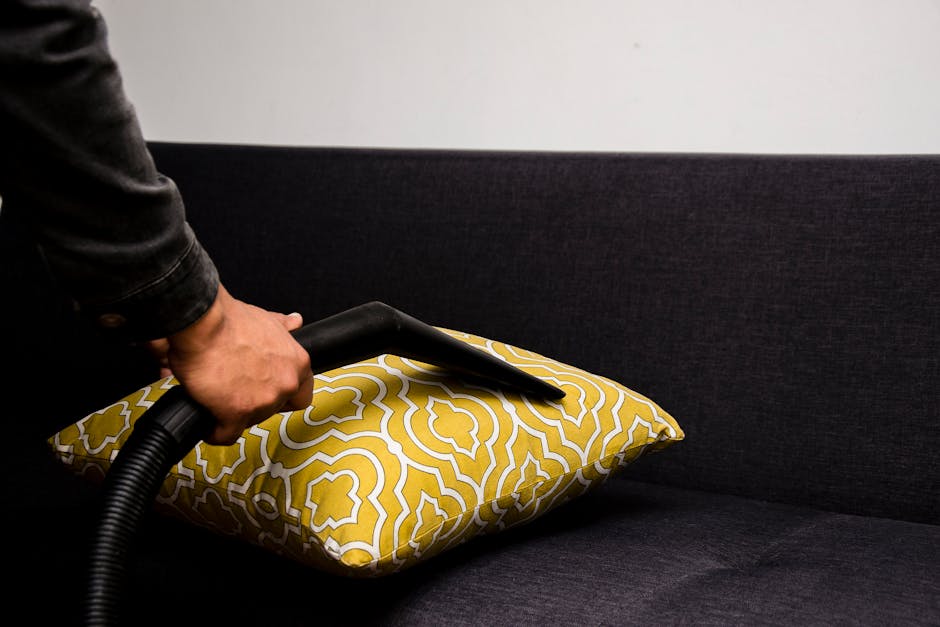
- Vacuum with upholstery attachments: Useful for dry soil removal and edge cleaning.
- Fabric-safe pre-sprays: Chosen to loosen grime without rough treatment.
- Microfibre cloths and controlled agitation tools: Helpful for targeted work.
- Extraction or low-moisture equipment: Selected according to fabric and drying needs.
- Drying aids: Fans or airflow planning can improve turnaround time.
From a service-planning point of view, it is worth checking pricing and scope before booking. The details matter, especially if you are comparing several rooms or a large workspace. The pricing and quotes information can help you think through what is included and what may affect the final figure.
If your concern is safety, access, or business-grade service standards, it also helps to review how the company handles those areas. For example, the pages on insurance and safety and health and safety policy are useful for understanding the operating side, not just the cleaning side. A bit dry, yes. Also reassuring.
Law, Compliance, Standards, or Best Practice
For upholstery cleaning, the most relevant guidance is usually practical best practice rather than dramatic legal complexity. That said, it still matters. In the UK, service providers are generally expected to act responsibly around fabric care, chemical handling, access arrangements, and customer property. That means using appropriate products, working safely, and being clear about limitations.
For commercial settings in Canary Wharf, best practice often includes:
- checking fabric labels or manufacturer guidance where available
- using suitable cleaning agents and dilution ratios
- testing discreet areas before full treatment
- planning for safe access in shared or public spaces
- minimising disruption to staff or residents
- keeping communication clear about drying times and aftercare
From a trust perspective, it is also wise to choose a company that is clear about terms, payments, privacy, and complaint handling. Those might not sound glamorous, but they tell you a lot about how a business operates. Pages like terms and conditions, payment and security, and complaints procedure are useful signals of how carefully the service is run.
And yes, sustainability can matter too. Choosing methods that avoid unnecessary waste and overuse of product fits well with recycling and sustainability values, especially in buildings where standards are taken seriously.
Options, Methods, or Comparison Table
Not every upholstery job should be handled the same way. The right method depends on fabric, staining, drying time, and the practical setting. Here is a simple comparison to help you think it through.
| Method | Best for | Strengths | Watch-outs |
|---|---|---|---|
| Light vacuum and surface refresh | Low-soil maintenance cleans | Quick, low disruption, helpful between deeper cleans | Will not remove embedded staining |
| Targeted stain treatment | Specific spill marks or localised grime | Efficient and precise | May not improve overall appearance if the item is generally dirty |
| Low-moisture upholstery cleaning | Delicate fabrics and quicker turnaround needs | Faster drying, controlled process | Not always enough for heavily soiled items |
| Extraction-based cleaning | Heavier dirt build-up and deeper refreshes | Strong overall clean, good soil removal | Requires careful drying and fabric suitability checks |
If you are not sure which route fits your situation, that is normal. Most people are not upholstery chemists, thank goodness. A good technician should explain the likely approach in plain language and tell you what sort of result is realistic before work starts.
Case Study or Real-World Example
Here is a realistic example based on the type of work often carried out in Canary Wharf. No dramatic gimmicks, just a normal job with normal problems, which is usually where the best lessons are anyway.
A modern two-bedroom apartment had a light-coloured sofa in the living room and four upholstered dining chairs. The sofa had general shading from daily use, a couple of older beverage marks, and some darker wear along the armrests. The chairs had food spots and a slightly dull finish from routine use. The client wanted the furniture to look fresher for regular hosting and to avoid replacing items that were still structurally fine.
After inspection, the furniture was tested for fabric response, then treated with a controlled pre-clean and targeted stain work. The sofa received extra attention on the arms and seating area, where body oils and repeated contact tend to build up. The chairs needed less intervention, but the stitching and seams were checked carefully so moisture would not collect in awkward areas.
Observed results:
- surface dirt lifted noticeably
- the colour looked more even
- the room smelled cleaner and less stale
- the armrests looked less greasy and tired
- the dining chairs regained a more presentable finish
The older marks did not vanish completely, and that is worth saying plainly. One spill had set into the fabric enough that only a partial improvement was realistic. Still, the overall transformation was clear. The room felt lighter. Less "we've been meaning to sort that out" and more "right, that's better".
That is the kind of result many Canary Wharf clients are after: visible improvement, better freshness, and a sensible outcome without overpromising. If a property manager or homeowner also needs broader support, services like house cleaning or home cleaners can fit neatly around the upholstery work so the whole space feels properly reset.
Practical Checklist
Use this quick checklist before booking or during the preparation stage. It saves time, and sometimes a lot of it.
- Confirm the furniture material if you know it
- Photograph visible stains before cleaning
- Move small items away from the cleaning area
- Point out any fragile seams, loose buttons, or prior damage
- Ask how long drying is likely to take
- Check whether the room needs ventilation
- Decide whether other soft furnishings should be cleaned at the same time
- Clarify access, parking, and entry details in advance
- Keep pets and children away while work is in progress
- Plan for light use only until the fabric is fully dry
Expert summary: The best upholstery cleaning results in Canary Wharf come from accurate fabric assessment, the right method, careful stain treatment, and proper drying. If those four things are handled well, the outcome is usually strong. If one of them is rushed, the finish can slip quickly.
Get a free quote today and see how much you can save.
Conclusion
A good Canary Wharf upholstery cleaning result is rarely about one miracle product. It is about sensible assessment, careful execution, and realistic expectations. When those come together, furniture looks fresher, smells cleaner, and feels more in keeping with a modern London home or workplace. That matters more than people think.
If your sofa, chairs, or office seating are holding onto everyday grime, now is usually better than later. The longer stains sit, the harder they can be to shift cleanly. And if you are comparing a full refresh with broader support, it is worth looking at services such as cleaning company support or a focused cleaners visit to see what best fits your space.
Done properly, upholstery cleaning is one of those jobs that quietly improves daily life. You sit down, notice the difference, and carry on with your day. Simple as that. Well, mostly simple.
Frequently Asked Questions
What does a Canary Wharf upholstery cleaning case study usually show?
It usually shows the starting condition of the furniture, the cleaning approach used, the type of stains or wear involved, and the kind of visible and practical results achieved. The best case studies are honest about what improved and what did not.
How long does upholstery cleaning take in a Canary Wharf property?
It depends on how many items are being cleaned, how soiled they are, and how much drying time is needed. A single sofa can be fairly quick, while several chairs or a larger workspace will naturally take longer.
Will upholstery cleaning remove every stain?
Not always. Fresh spills are usually more responsive than old, set-in marks. Fabric type also matters. A good cleaner should explain likely outcomes before starting, rather than pretending every mark will disappear.
Is upholstery cleaning safe for delicate fabrics?
It can be, if the fabric is assessed properly and the correct method is chosen. Delicate textiles need more care, and sometimes a low-moisture or specialist approach is the safer option.
Can upholstery cleaning help with smells as well as stains?
Yes, often it can. Upholstery holds onto everyday odours from food, drink, pets, and general use. Cleaning can make a noticeable difference to freshness, especially when combined with proper drying and ventilation.
How often should upholstery be cleaned?
That depends on use. High-traffic office seating may need attention more often than a lightly used home chair. A practical schedule is usually based on appearance, usage, and any specific hygiene needs.
Is it better to clean upholstery and carpets at the same time?
Often yes, if the whole room needs refreshing. Cleaning both together can give a more even result and reduce disruption. It is especially useful when the room feels tired rather than just one item looking dirty.
What should I do before the cleaner arrives?
Clear small items, point out stains or damage, and make sure access is straightforward. If possible, mention fabric concerns in advance. That makes the visit more efficient and helps avoid avoidable mistakes.
Does upholstery cleaning leave furniture very wet?
It should not leave it drenched. Some moisture is normal, of course, but good practice is to use a controlled amount and allow for proper drying. Ventilation and airflow help a lot here.
What if my sofa has already been cleaned badly before?
That happens more often than people admit. Previous over-wetting or harsh products can make later cleaning harder, but not necessarily impossible. A careful inspection should reveal whether the item can still be improved safely.
Is upholstery cleaning worth it for office furniture?
Very often yes. Office seating can shape the impression clients and staff get the moment they enter a room. A cleaner sofa or chair area can make the whole workspace feel more professional and better looked after.
How do I know if the result will be good value?
Look at the item's condition, the fabric type, and how much visible improvement is likely. If the furniture is structurally sound and the issue is mainly dirt, staining, or dullness, cleaning is often a sensible investment.